Monday, March 7, 2016

The people of Ethiopia must stand together Now !


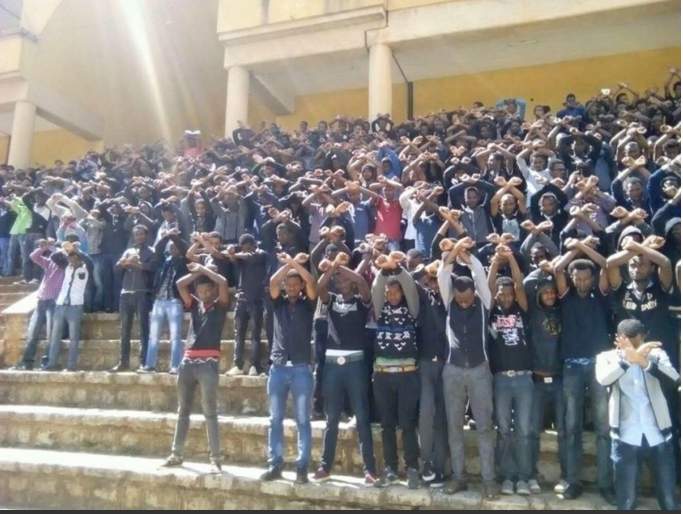
These heart-wrenching photos of the people of Omo valley region of Ethiopia make me feel numb and irritable. It reminds me of the 17th and 18th-century slavery.

These pictures show how unfair life really is in Ethiopia under ethnic apartheid regime of the TPLF/EPRDF and how the ethnic cleansing and the systematic racist apartheid regime is in Ethiopia. These heartbreaking images resonate, reminding us of the absolute physical and emotional devastation on the people of Ethiopia.
The people of Ethiopia must stand together and expose the unspeakable crimes against humanity and condemned the racism against the the people of Omo valley.
IT IS THE RESPONSIBILITY of all Ethiopian people to speak the truth in exposing crimes against humanity and Institutional racism and lies. Only the truth can set Ethiopia free.
We have long been taught that the truth will set us free, and that seeking the truth is a worthy goal for the betterment of all our precious people and survival of our beautiful country.
In the case of Ethiopia, donor foreign policymakers have been reluctant to confront the unjust ethnic apartheid system of government in the country for fear of creating instability; however, ignoring its basic nature is actually going to also backfire; and when it does, the poor people will be the victims.
We call on the US, the UK, the EU and others donor countries to publicly make a statement condemning the killing of the innocent people and to use your leverage to press for a dialogue leading to democratic change.
We call on the donor countries to openly condemn the repression and violence and for the donor countries to use their leverage as a means to bring about a dialogue leading towards a meaningful and sustainable solution in the best interests of all the people.
The people of Ethiopia are already working to find a way to collaborate together in building a better future for all the people. Once this is achieved and it becomes a nationwide effort; the TPLF regime will be done. This is a time to side with the people instead of with a dying regime. Support for an autocratic regime, while speaking the rhetoric about caring about Ethiopian’s democratic and economic development, must change.
===================
Increasing human rights violations and deaths from careless state-owned sugar plantation in the Omo Valley!
We in the Solidarity Movement for a New Ethiopia (SMNE) sounds an urgent emergency alert regarding the present endangerment of the people of the Omo Valley.
These fellow-Ethiopians are being threatened with human rights violations and atrocities by the TPLF/EPRDF’s troops in the region as the regime moves ahead to remove the people from their land in another crony development scheme for a state-owned sugar plantation on245,000 hectares of land with an additional 100,000 or more hectares of some of the most fertile land committed for other agricultural projects. Those who resist, face state-sponsored human rights crimes.
In all of Ethiopia, the 500,000 people of the Omo Valley may be among the most neglected of Ethiopians by the current TPLF/EPRDF regime.
These dark-skinned and marginalized tribes—the Bodi, the Mursi, the Kwego, the Suri, the Hamer, the Karo as well as others—have only been valued in Ethiopia for the tourism business they attracted due to their unique and primitive customs that have remained unchanged for centuries. Now, the TPLF/EPRDF has found a better use for their land and it does not include them.
The previous and present government of Ethiopia never did value them and even now, they do not see them as their own people. In the entire Diaspora of about a million Ethiopians, some experts suggest that only one person from Omo Valley is among them. This is an example of how marginalized these people are.
Not only have they been intentionally denied access to entering the 21st century—it would negatively impact tourism—they have also been denied access to clean water, education, health care and other opportunities to a much greater degree than most other marginalized groups.
Now, as their land is being taken away from them, they are also being denied their most prized asset, their indigenous land and water.
Just wait, the TPLF/EPRDF regime will suddenly pretend to be forcing the people from their land and into resettlement camps—where they have no means for independent sustenance—in order to “help” bring these people into the 21st century. Do not believe it! It is just an excuse to cover up for illegally stealing their ancestral land and they are ill-prepared to defend themselves!
The people of the Omo Valley are living in a nation set up under the flawed government policy of ethnic federalism. Each ethnic group is supposed to look after people of their own ethnicity, without the expectation that others will care about the rights, interests and well being of those outside their own groups. Because of this, the people of the Omo Valley are more deprived of their rights than many others. Who speaks for them?
Their land is being taken over by their own government without any consultation. The authorities did not care about them and now the people of the Omo Valley have taken matters into their own hands.
Some limited fighting has broken out and as the TPLF/EPRDF sends troops to silence them through intimidation, human rights crimes and secretive extra-judicial killings, they seem to think they can eliminate these people without the world knowing.
The people of the Omo Valley are depending on the world not caring about them, but the SMNE has already received information from the people and we want to warn the ethnic apartheid regime in Ethiopia to stop the human rights abuses against these people and if they do not, they will be found accountable.
We also call on other peace and justice loving Ethiopians to stand up with the people of the Omo Valley. They are us. The people of the Omo Valley may be deprived and they may have been used as commodities for tourism in the past, but to God and to us, they are precious, just like everyone else.
The establishment of the SMNE was to educate Ethiopians about the value of those outside our villages, tribes and regions. One of the SMNE goal was to eradicate this primitive thinking where some devalue the humanity of others and turn away in apathy to their pain and suffering.
This SMNE principle of putting “humanity before ethnicity” and caring about the freedom, justice and well being of others—neighbors near and far—is the basis for healthy societies and cooperative global partnerships.
We in the SMNE will continue investigate and gather evidence to be used for future prosecution so perpetrators of these crimes will face justice and not get away with these crimes.
The people of Ethiopia will hold them accountable under the rule of law that is not simply rhetoric.
If any think that they can commit crimes without being found out, you are wrong as we already have our sources from this remote region of the country. We will continue to monitor what is going on there.
As we stand up for the people of the Omo Valley, let it bring us together as one people of Ethiopia who stand up for the freedom, rights and wellbeing of all of us.

by Obang Metho 

Thursday, February 11, 2016

Food aid to run out in Ethiopia unless donors step in

ADDIS ABABA, Feb 10 (Thomson Reuters Foundation) – Emergency food aid for 10 million Ethiopians hit by the worst drought in 50 years will run out in April unless donors provide more funds by the end of February, the charity Save the Children said on Wednesday.

“The international community has just three weeks to provide $245 million in emergency food aid to help prevent a potentially catastrophic escalation in severe acute malnutrition (SAM) cases…” it said in a statement.
“If these emergency funds do not arrive in time, there is no question that there will be a critical fracture in the food aid supply pipeline,” country director John Graham said in the statement.
The $245 million now being sought is the cost of food aid for Ethiopia for the three months from May to July, Graham said.
It can take four months to buy food aid and transport it into landlocked Ethiopia via neighbouring Djibouti’s congested port, so the window for action “is rapidly closing,” the charity said.
The El Nino weather phenomenon has caused drought and flooding across Africa, leaving 20 million people short of food in the south of the continent and 14 million in the east, the United Nations says.
The number in need is greatest in Ethiopia, Africa’s second most populous country.
Famine, triggered by war and drought, killed one million people in Ethiopia in 1984. The nation now has one of Africa’s fastest-growing economies but many people are still small-scale farmers and herders dependent on seasonal rains.
A $1.4 billion appeal by the government and aid partners for 2016 has raised $680 million, U.N. figures show.
More than 400,000 Ethiopian children under five are predicted to suffer from severe malnutrition this year, and a further 1.7 million under-fives, pregnant women and breast-feeding mothers will need treatment for moderate malnutrition.
The World Food Programme has started importing food from Berbera in Somaliland to speed up the process.

Friday, January 22, 2016

EU Parliament Condemn Ethiopia over Oromia Protest: Press Release

Parliament strongly condemns the recent use of violence by the security forces and the increased number of cases of human rights violations in Ethiopia. It cEU Parliament Condemn Ethiopia over Oromia Protest: Press Releasealls for a credible, transparent and independent investigation into the killings of at least 140 protesters and into other alleged human rights violations in connection with the protest movement after the May 2015 federal elections in the country.It also calls on the Ethiopian authorities to stop suppressing the free flow of information, to guarantee the rights of local civil society and media and to facilitate access throughout Ethiopia for independent journalists and human rights monitors. The EU, as the single largest donor, should ensure that EU development assistance is not contributing to human rights violations in Ethiopia.

Sunday, January 3, 2016

የህዳሴው ገደል እምን ላይ ደረሰ? (በውቀቱ ስዩም)

በውቀቱ ስዩም
አውሮፕላን መጣ እየገሰገሰ
በዘፈን አንደኛ ሙሉቀን መለሰ
(እስከመቸ ድረስ ጥላሁን ገሰሰ)
የህዳሴው ገደል እምን ላይ ደረሰ? Lol
የህዳሴውን ግድብ ወደ “ህዳሴው ገደል” ያሸጋገረውን ስምምነት የፈረመው ሰውየ “እጁን ለቁርጥማት፤ ደረቱን ለውጋት” እንዲዳርገው በመመረቅ ወደ ሰላምታየ እገባለሁ፡፡ እንዴት ናችሁ፤ ያልታደላችሁ? እኔ በህይወቴ በተለያየ ጊዜ ተስፋ ቆርጫለሁ፡፡ እንደ ዘንድሮ ተስፋን፤ ከሻኛውና ከፍሪምባው አፈራርቄ የቆረጥሁበት ጊዜ አልገጠመኝም፡፡
መንግሥትም ሃያ አመት ሙሉ አጥሮ፤ ሃያ ዓመት ሙሉ ቆፍሮ የተሳካለት ኣይመስልም ፡፡ “በየቦታው እንምሳለን፡፡ ለመጭው ትውልድ ነዳጅ ሳይሆን ጉዱጓድ እናወርሳለን” የሚል ነው የሚመስለው፡፡ የዛሬ አስራ አምስት አመት ገደማ ውሃ ማቆር የተባለ ፕሮጀክት ነድፎ ነበር፡፡ እናም ኅብረተሰቡ በየጓሮው ሮቶ ሮቶ የሚያክል ጉድጓድ እየቆፈረ የዝናብ ውሃ እንዲያቁር ትዛዝ ተላልፎለት ነበር፡፡ ከዚያ በኋላ ውጤቱ ምንድን ነበር? የየሰፈሩ ሰካራም በየጉድጓዱ እየገባ አለቀ ፡፡ ይሁን እንጂ መንግሥት፤ ስንት ሰካራም አጥንቱን የከሰከሰበትን ፤ ደሙን ያፈሰሰበትን ፕሮጄክት ድንገት ሰረዘ፡፡ በጊዜው የተወሰኑ ሰዎች ለዶማና ላካፋ መግዣ በሚል ወፍራም በጀት አስለቅቀው ከድህነት ተላቀቁ ፡፡ አገሪቱ ግን የግዜር ገበጣ መጫወቻ መስላ ቀጠለች፡፡ የውሃ ማቆር ፕሮጀክሩ ቢቀጥል ኖሮ ዛሬ የህዳሴውን ገደል ለመሙላት ግብጽን አንለማመጥም ነበር፡፡
መንግስት ደከመኝ ሰለቸኝ ሳይል የማይፈጽመውን እያቀደ፤ አዲስአበቤም ደከመኝ ሰለቸኝ ሳይል በችግሩ እየቀለደ፤ ሃያ አምስት አመት ተገባደደ፡ ፡በውቄም ስኮላርሺፕ በሚል ሰበብ፤ ማንነታቸው ያልታወቀ ፌዴራል ፖሊሶች የሚወረውሩት ቦምብ ወደማይደርስበት ቦታ ተሰደደ፡፡ በግንቦት ወር ወደ አገሩ ሲመለስ ችግር ይገጠመው ይሆን?ወይስ በእጃችን እንይጠፋብን ብለው ይተውት ይሆን? ቀጣዩን ክፍል በመጭው ግንቦት ይጠብቁ፡፡ግን መንግስትን መተቸት ህገመንግሥታዊ መብቴ መሆኑ ይሰመርበት ፡፡ በርግጥ ህገመንግስቱ እንደ ኣዲስ ኣበባ ምግብ ቤቶች Menu ነው፡፡ የተጻፈውን በተግባር ስትፈልገው አታገኘውም፡፡
በነገራችን ላይ ጠቅላይ ምኒስትር ኃይለማርያም ደሳለኝ የሆነ መጽሄት ላይ “ያመቱ ሰው” ተብለው መሸለማቸውን ሰምቼ ተደስቻለሁ፤ ሲያንሳቸው ነው፡፡ ይሄን ያክል እየተተረበ፤ ይሄን ያክል እየተሰደበ፤ ይሄን ያክል ከታችም ከላይም ንቀት እየተከናነበ ቆሞ መሄድ የቻለ ሰው፤ ሽልማት አነሰው?
እኔም እንሆ፤ ሰሜን አሜሪካ ጫፍ አርፌ
በጀርባየ የካናዳን የጉም ግድግዳ ተደግፌ
ከጢሜ ላይ የኮካኮላ ጤዛ ፤ከኪቦርዴ ላይ በረዶየን አራግፌ
“የኢትዮጵያ ህዝብ ሆይ ተባብረህ ተነስተህ ላንዴና ለመጨረሻ ግዜ አምባገነኑን ሥርአት ገርስስ” እያልሁ ነጋሪት ስደልቅ ፤አዲስ አበቤም “ወይ ኦን ላይን ያለ ሰው!” እያለ በኔ ላይ ሲስቅ፤ ጀምበር ”ሎግ አውት” አድርጋ ጥልቅ፡፡
ባለፈው 53 የፖለቲካና የሃይማኖት ድርጅቶች መግለጫ አውጡ ሲባል ስቄ ልሞት፡፡ ያሁላ ፓርቲ ቢሮ አለው? ወይስ ህልሙን ባሮጌ ሳምሶናዊት ሸክፎ የሚዞረው ሁሉ ተቆጥሮ ነው?ግሩም ነው መቸም፡፡ ኢትዮጵያ በቀንድ ከብት አንደኛ ሆና ወተት ይርባታል ፤ አምሳ ሦስት የፖለቲካ ፓርቲ ኖሯት ፖለቲካው ቸግራታል፤ እንዲያው ምን ይሻላታል?
ድሮ የኔ ቢጤ ባይተዋር ሰው ሲጨንቀው ሰላም ፍለጋ ወደ ቸርች ነበር የሚሄደው፡፡ አሁን በየቤተክስያኑ ድብድብ ነው፡፡ እዚያ ዲሲ ቤተክስያን ልትስሚ ከሄድሽ በነጠላሽ ላይ የጥይት መከላከያ መደረብ አለብሽ ፡፡ እነ አባባ ቆባቸው በሮ እስኪሄድ ሲከታከቱ ታዝበሽ፤ ከተወረወረ መቋሚያ በመትረፍሽ ኣንድየን አመስግነሽ፤ ወደ ቤትሽ ትመለሻለሽ፡፡ ባገር ቤት፤ ቤተክርስትያን ውስጥ አንድ ቄስ በዲያቆናት ሲታጀብ፤ የዲሲ አበሻ ቄሶች ግን በፖሊስ ታጅበው ነው የሚቀድሱ፡፡ እንዲያውም የፈረንጅ ፖሊሶች ለግልግል እየተጠሩ ቤተክስያኑን ከማዘውተራቸው የተነሣ ቅዳሴውን ለምደው ተሰጥኦ ሁሉ መቀበል ጀምረዋል፡፡
በነገራችን ላይ ላገራችን የገጠር ቄስ ክብር አለኝ፡፡ “ዳዋ ጥሶ፤ ጤዛ ልሶ፤ ድንጋይ ተንተርሶ፤ ግርማ ሌሊትን፤ ጸብአ አጋንንትን ታግሶ ፤የሚኖር ነው፡፡ የዲሲ ቄስ በበኩሉ ሙዳየ ምጽዋት አፍሶ፤ አይስክሬሙን ልሶ ፤የንስሃ ልጁን ጡት ተንተርሶ ፤ በቴስታ ተከሳክሶ ይኖራል የሚል ሀሜት አለ፡፡
የዛሬውን የህትመት ዳሰሳየን የምቋጨው በመሬት “ ትንታኔ“ ነው፡፡ ያዲስ አበባ የመሬት ችግር የመነጨው ከዘጠና ሰባት በኋላ ይመስለኛል፡፡ ጌቶች በነዋሪው ተስፋ ስለቆረጡ፤ በስልጣናቸውም ዋስትና ስላጡ፤ “ኪስህ ነው የቅርብ ወዳጅህ” የሚለውን ዘፈን ማንጎራጎር መረጡ፡፡ ይህንን ዝንባሌ እኔና ቢጤዎቼ የቀኝ አዝማች ሰውነቴ “ ሲንድረም ”ብለን እንጠራዋለን፡፡
ቀኛማች ሰውነቴ ከደብረማርቆስ ባላባቶች አንዱ ነበሩ፡፡ እና በስድሳ ስድስቱ አብዮት ዋዜማ የጭሰኞቻቸውን መሬት ጆሮ ጆሮውን ብለው ካቲካላ ጠጡበት ፡፡ባላባት ጓደኞቻቸው ለምን እንዲያ እንደሚያረጉ ሲጠይቋቸው“ መሬት ሳትበላኝ ልብላት ብየ ነው” አሉ ይባላል፡፡
ትንታኔውም ይቀጥላል፡፡

Friday, December 11, 2015

why are students in ethiopia protesting against a capital city expansion plan


Over the past two weeks, students in Ethiopia’s largest regional state, Oromia, have been protesting against a government plan to expand the area of the capital, Addis Ababa, into Oromia. Report suggest security forces used violence including live ammunition to disperse crowds of peaceful demonstrators in the compounds of universities in Oromia.
According to Human Rights , at least seven students were killed and hundreds were injured across the region as security forces used excessive force to disperse student protesters. Other reports put the number of students killed up to ten. Although protesters are primarily university students, in some instances, high school and primary school children were also reportedly involved in intense confrontations with government forces.
At least nine students were killed  by government forces in May 2014 while protesting over the same issue.

The persecution of Oromo people expelled

The students argue that the controversial plan, known as “the Master Plan”, to expand Addis Ababa into Oromia state would result in mass eviction of farmers mostly belonging to the Oromo ethnic group.
It wouldn't be the first time the government has uprooted members of an ethnic group. Thousands of ethnic Amharas in western Ethiopia were expelled from the country's Benishangul Gumuz region in 2013 in what critics called “ethnic cleansing”.
The students have other demands such as making Oromo a federal language. Oromo, the language of the Oromo people, is the most widely spoken language in Ethiopia and the fourth largest African language. However, it is not the working language of the federal government.
According to Ethiopian Constitution, Oromia is one of the nine ethnically based and politically autonomous regional states in Ethiopia. Oromo people  make up the largest ethnic group in Ethiopia. However, the group has been systematically marginalize and perecuted for the last 24 years. By some estimates, there were as many as 20,000 Oromo political prisoners in Ethiopia as of March 2014.
A 2014 Amnesty International report on repression in the Oromia region noted:
Between 2011 and 2014, at least 5000 Oromos have been arrested based on their actual or suspected peaceful opposition to the government. These include thousands of peaceful protestors and hundreds of opposition political party members. The government anticipates a high level of opposition in Oromia, and signs of dissent are sought out and regularly, sometimes pre-emptively, suppressed. In numerous cases, actual or suspected dissenters have been detained without charge or trial, killed by security services during protests, arrests and in detention.
The ruling elite of Ethiopia are mostly from the Tigray region, which is located in the northern part of the country.

Social media fills in the gaps

Even as the Ethiopian drought and impending food crisis makes a rare appearance in local—and some international—headlines, little attention is being paid to the student protests in Ethiopian media. But despite Ethiopia’s highly controlled online environment and the government’s firm grip on communications infrastructure, social media users are reporting on the issue, particularly on facebook, with additional coverage coming from diaspora-based media.
Photo widely circulated on social media, taken from the Facebook page of Jawar Mohammed.
One Facebook user, for example, hoped for the world to hear stories of the student protesters’ inspiring actions:
The silence has truly been deafening. We need to see and hear the inspiring actions undertaken by huge numbers of ‪#‎Oromo‬ in ‪#‎Ethiopia‬. Tell their story, enable the world to be swept up in their story.Considering the complete absence of freedom to criticize the government or report opposition stories from within the country, people around the world reading about it can help greatly by doing everything possible to amplify this story.
Another Facebook user, Aga Teshome,toke note of  the political power of Oromo youth:
…‪#‎OromoProtests‬ a call for all oppressed people in ‪#‎Ethiopia‬ to support the ongoing protest against ‪#‎landgrabing‬
….the Oromo youth are a powerful political entity capable of shaking mountains. This powerful political entity is hell bent on exposing the [ruling party] EPRDF government’s atrocious human rights record and all round discriminatory practices.
While Desu Tefera said:
We call upon the media to investigate the conditions that these students died trying to expose and resist, to draw attention to these concerns. Oromia needs a new kind of reporting by the international media, which gives voice to the voiceless Oromo people, who for a very long time have been killed, mistreated, abused, neglected and repressed in Ethiopia. Going forward with the current plan, which ends up displacing tens of thousands of poor farmers, destroying their livelihood and depriving their identity, is a tragedy. It deserves attention. These students put their lives on the line to draw attention to the farmers’ plight.‪#‎OromoProtests‬
Although social media reports are pivotal in letting the world know about the protests, they miss a huge chunk of nuance that would help observers understand how this dispute is unfolding. Notably, the fact that the student protests combine delicate ethnic politics, urban land grabbing and Ethiopia’s diaspora community’s involvement in home country politics.
Given Ethiopia’s highly controlIed environment, one might wonder how the students managed to get organized to express their grievance in the mid of highly controlled environment. Despite the firm grip on communication infrastructure there are constant update on Facebook and Twitter about the protest.

Dubious development practices

The story is unpleasantly familiar, as students are protesting for the second time in less than two years.
In April and May 2014, the protests began in response to the government’s plan to implement the “Integrated Master plan  for Addis Abeba”. As Addis Abeba, the capital of Ethiopia, is an enclave within Oromia regional state, students primarily from Oromia state accused the Ethiopian government of attempting to take over land owned by local farmers in the name of integrating adjacent Oromia towns into the sprawling city of Addis. The students further alleged that if implemented, the Masterplan would result in Addis Abeba further encroaching into the territory of Oromia
The government rejected the accusation, claiming that the Master plan was intended only to facilitate the development of infrastructure such as transportation, utilities, and recreation centers.
When the protests began the students’ main demand was the complete halting of the Master plan. In May 2014, the government did momentarily halt the plan in order to abate the protests after at least nine were killed and hundreds of ethnic Oromo students were imprisoned. But when the government decided to resume plans to implement the Master plan in November this year  resentment boiled over again, resulting in the currently two-week-old student protest leaving at least ten people dead and many injured.
Since the highly contested 2005 national election, forceful evictions and urban land grabbing have become frequent in Addis Abeba. The capital city’s rapid growth has resulted in increasing pressure to convert rural land for industrial, housing, infrastructure, or other urban use.
Diaspora-based advocates say the unrest in Oromia is just a part of the general unhappiness that prevails in the country. They accuse the government of working for the benefit of a few people at the expense of others. They even suggest that the Ethiopian government covertly encouraged informal settlement on the outskirts of Addis Abeba so that they could later find a way to intervene under the guise of rebuilding the slums and lease the land to real estate developers.
Ermias Legesse, a high profile government defector, traces the cause of the Oromo student protest to events that took place 15 years ago. In his book, "Addis Abeba : The Abandoned city", Ermias notes that since 2000 the Addis Abeba city municipality, with the support of the federal government, enacted five different pieces of legislation to “legalize” the informal settlements, and then sold the “legalized” lands to private property developers.
Most informal settlers on the outskirts of Addis Abeba manage to establish themselves for a period of time until they are displaced by government. “Sometimes the informal settlers are given only a few days’ notices before bulldozers arrive on the scene to tear down their shabby houses and lay foundations for new investors,” Ermias said in an interview with a diaspora-based television channel.

Saturday, November 14, 2015

በረሀብ ለተጠቁ ወገኖቻችን እንድረስላቸው !

በወቅታዊ ሁኔታ ላይ የአርበኞች ግንቦት 7 የአቋም መግለጫ
def-thumbየኢትዮጵያ ሕዝብ ዳግም ለአስከፊ ረሀብና ችጋር ተጋልጧል፤ ስፋት ጥልቀቱ በ70ዎቹና 80ዎቹ ከነበሩት ጋር ይስተካከላል ተብሎ ተፈርቷል። ከአሁኑ ሰው በረሀብ መሞት መጀመሩ ከአራትና አምስት ወራት በኋላ የሚመጣውን አደጋ ከባድነት መገመት ያስችላል።
ለአስር ተከታታይ ዓመታት ከአስር በመቶ በላይ ዓመታዊ የኢኮኖሚ እድገት በማምጣት ዓለምን እየመራን ነው የሚለው ዓይን ያወጣ ውሸት፤ “ድህነትን ተረት እናደርጋለን” የሚለው ጉረኛ መፈክር፤ የኢትዮጵያ ቴሌቪዥንና ራድዮ “የህዳሴ ብስራቶች”፣ የአባይ ግድብና የከተማ ባቡር ግንባታ ዜናዎች ለኢትዮጵያዊው አርሶ አደር ቁርስ፣ ምሳና እራት አልሆኑም።
“አድገናል”፣ “ተመንድገናል”፣ “በምግብ ራሳችንን ችለናል” ሲል የከረመው የህወሓት አገዛዝ የረሀቡ ዜና አፈትልኮ ሲወጣ እና የዓለም መገናኛ ብዙሀን መነጋገሪያ ሲሆን የተራበውን ወገናችንን ለማብላት ከመሯሯጥ ይልቅ ተፈጥሮ ላይ ማላከኩን ተያይዞታል። ከዚህ አልፎ ዓመታዊ ድግሶቹ እና ለባለሥልጣናቱ የሚሰጡ ጥቅማጥቅሞች ጉዳይ ከረሀብ በላይ አሳሳቢ በመሆኑ 15 ሚሊዮን የሚገመት ሕዝብ በሞት አፋፍ ላይ እያለ የአገሪቱ ሀብት ለድግስና ፈንጠዚያ እንዲሁም ለእያንዳንዱ ባለሥልጣን ቤተመንግሥት አከል መኖሪያ ቤት ማሠሪያ እየዋለ ነው። መቀሌ ላይ ህወሃት 40ኛ ልደቱን ለማክበር ወደ ግማሽ ቢልዮን ብር ባወጣ ማግስት በአማራ ስም ለወያኔ ባርነት የገባው ብአዴን 300 ሚሊዮን ወጪ በማድረግ በረሃብተኛው ሕዝብ አናት ላይ እየጨፈረ ነው:: ይህ የኢትዮጵያን ሕዝብ መናቅ ብቻ ሳይሆን ደግሞ ደጋግሞ ከመግደል የሚቆጠር ወንጀል ነው።
ለመሆኑ የአየር ንብረት መዛባት እየተደጋገመ ለሚመጣ ችጋርና ቸነፈር በቂ ምክንያት ሆኖ ያውቃልን? ለምንድነው ፍትህና ነፃነት በሰፈነባቸው አገሮች ውስጥ ዝናብ ጠፍቶ የእርሻ ምርት ቢቀንስ እንኳን ሰው በረሀብ የማይሞተው? አስከፊ የረሀብ ዜናዎች የሚሰማባቸው አገሮች በሙሉ ነፃነት የታፈነባቸው አገሮች መሆናቸውስ የአጋጣሚ ጉዳይ ነው? ለምንድነው ተደጋግሞ ከሚመጣ የረሀብ አዙሪት መውጣት ያቃተን?
የእነዚህ ሁሉ ጥያቄዎች መልስ አጭርና ቀጥተኛ ነው። ለችግሮች መፍትሄ መሻት የሚቻለው በነፃነት ማሰብ የሚችል ጭንቅላት ሲኖር ነው። በባርነት ጨለማ ውስጥ ያለ ጭንቅላት ለችግሮች መፍትሄ የማፍለቅ አቅም የለውም። እንዲያውም እንዲህ ዓይነቱ ድኩም ጭንቅላት ችግሮችን ማሸነፍ ሳይሆን ተሸናፊነትን ተቀብሎ ከችግሮች ጋር ተስማምቶና ተወዳጅቶ መኖርን ይመርጣል። ለዚህም ነው የአስተዳደር በደልና ረሀብ ምክንያትና ውጤት ብቻ ሳይሆን እጅና ጓንትም ጭምር የሆኑት።
ነፃነት ያለው ሕዝብ ረሀብን እንደሚያሸነፍ ተደጋግሞ የታየ ጉዳይ ነው። ለዚህም ነው ረሀብን የተፈጥሮ ሚዛን መዛባት ውጤት ብቻ አድርጎ ማቅረብ እውነትን መሸፈጥ የሚሆነው። ረሀብ የብልሹ አስተዳደር ውጤት መሆኑ ያፈጠጠ፣ ያገጠጠ ሀቅ ነው። ከረሀብ መገላገያ መንገድም የተበላሸ አስተዳደር ተወግዶ ኃላፊነት የሚሰማው፣ የዜጎች የማሰብ ነፃነት የሚያረጋግጥ ሕዝባዊ አስተዳደር ሲኖር ነው።
አገራችን ኢትዮጵያን የረሀብ ቀጠና ካደረጉ የ24 ዓመታት የወያኔ “የዘርፈህ ብላ” የኢኮኖሚ ፓሊሲ ውጤቶች መካከል አንዳንዱን ለአብነት ያህል መዘርዘር ይቻላል።
1.ገበሬና መሬት ተለያይተዋል። ኢትዮጵያዊያን አርሶ አደሮች መሬት አልባ ሆነዋል። ለም መሬቶች በኢንቨስትመንት ስም ለህወሓት ጉልተኞችና ምስለኔዎቻቸው ታድሏል፤ እነሱ ደግሞ በተራቸው ለባዕዳን ሽጠውታል። ኢትዮጵያዊው አርሶ አደር በሀገሩ ጭሰኝነት እንኳን አጥቶ ለቀን ሠራተኝነትና ልመና ተዳርጓል። በዚህም ምክንያት ገበሬው እንኳንስ ትልቁን የአየር መዛባት ትንሿንም የዋጋ ንረት መቋቋም እስከማይችልበት ደረጃ ተዳክሟል።
2.ዘርን መሠረተ ባደረገ ክልላዊ ድንበር ሳቢያ ኢትዮጵያዊው ጎበዝ አርሶ አደር አንዱ ቦታ ቢከፋ ወደ ተሻለ ቦታ ተዛውሮ ማረስ አልቻለም። ከሰሜን ወደ ደቡብ ከሄደ የአገራችን አርሶ አደር ይልቅ ባህር ተሻግሮ የመጣ ኤንቨርስተር ነኝ ባይ መሬት ማግኘት ይቀለዋል። እንዲያውም ኢትዮጵያዊው ገበሬ በዱላና በጥይት ሲባረር፤ ከባዕድ አገር የመጣው ብድርና ማበረታቻዎች ይሰጠዋል።
3.የህወሓት ባላሥልጣኖችና በየቦታው ያስቀመጧቸው ምስለኔዎቻቸው ራሳቸውን ባለሚሊዮኖች፣ ከፍ ሲልም ባለ ቢሊዮኖች አድርገዋል። እነዚህ በአንድ ጀምበር ከትቢያ የተነሱ ቱጃሮች ከገንዘብ በተጨማሪም የጄኔራልነት፣ የሚኒስቴርነት፣ የክልል ገዢነት፣ እጅግ ቢያንስ የቢሮ ኃላፊነት ሥልጣንን ኪሳቸው ውሰጥ ከተዋል። የመንግሥት ሥልጣንና ሃብት ይኸን ያህል የተቆራኙበት ሥርዓት በኢትዮጵያ ኖሮ አያውቅም። የጥቂቶች ያለአገባብና ያለቅጥ መክበር በአንፃሩ ደግሞ የብሃኑን ሕዝብ መደህየት ረሀብ እጣ ፈንታችን እንዲሆን አድርጓል።
4.በአቋራጭና በፍጥነት ለመክበር አስተማማኙ መንገድ የገዛ ራስ ጥረትና ታታሪነት ሳይሆን ቅጥፈት፣ አጭበርባሪነትና ሎሌነት ማደር መሆኑን የህወሓት አበጋዞች በተግባር እያሳዩ ሠርቶ፣ ለፍቶ ማደግ ሞኝነት እንዲሆን አድርገውታል። በዚህም ምክንያት በባህላችን ውስጥ ኮትኩተው ያሳደጓቸው አድርባይነት፣ ስንፍናና እና ልመና ችግርን የመጋፈጥ አቅማችንን ሰልበውታል።
5.ደኖቻችን ተጨፍጭፈው፣ ለም መሬታችን ተሸርሽሮ በማለቁ የግብርናችን ምርታማነት በእጅጉ ቀንሷል። በህወሓት የአገዛዝ ዘመን የደን ጭፍጨፋና የመሬት መሸርሸር በአስደንጋጭ ሁኔታ ጨምሯል። አገሪቷ በፍጥነት ወደ ምድረበዳነት እየተቀየረች ነው።
6.ኢትዮጵያዊያን ገበሬዎች ድርቅን መቋቋም ስለሚችሉ ሰብሎች ወይም የአስተራረስ ዘዴዎች ማሰብ፣ መመራመርና መፈተሽ አይችሉም። አዲስ ነገር መሞከር “የኢህአዴግ የግብርና ፓሊሲን“ በመቃወም ወንጀል የሚያስቀጣ ተግባር ሆኗል። በዚህም ምክንያት ገበሬው ድርቅን መቋቋሚያ አዳዲስ ዘዴዎች መፈለግ ቀርቶ በተለምዶ የሚያውቃቸውንም መጠቀም አልቻለም።
7.የህወሓት አገዛዝ፣ እንደ ኢኮኖሚው ሁሉ የኢትዮጵያን ሕዝብ ብዛት ሊቆጣጠር የሚሞክረው ቢሮ ውስጥ ቁጭ ተብሎ በሚደረግ የቁጥር ጨዋታ ነው። አገዛዙ ውጤታማ የስነ ሕዝብ ፓሊሲ የለውም፤ እንኳንስ የቀጣይ ዓመታት የሕዝብ እድገት ምጣኔን ሊቆጣጠር አሁን ያለነው ቁጥራችን ስንት እንደሆነ እንኳን በትክክል ሊነግረን አልቻለም፤ ረሀብ ነው መብዛታችንን እየነገረን ያለው።
አርበኞች ግንቦት 7፡ የአንድነትና የዲሞክራሲ ንቅናቄ እነዚህና የመሳሰሉት ጭብጦችን በማንሳት የረሀቡ መሠረታዊ ምክንያት የህወሓት አገዛዝ ያሰፈነው ብልሹ አስተዳደር መሆኑን በአንጽዖት ይናገራል። ሕዝባችን በነፃነት ማሰብ፣ መመራመር፣ መፈተሽ ቢችል ኖሮ ረሀብን መከላከያ ብልሃት ማግኘት ባላቃተውም ነበር ብሎ አርበኞች ግንቦት 7 ያምናል። ረሀብን ለማጥፋት ህወሓትን ከሥልጣን ማስወገድ ከምንጊዜውም በላይ ወሳኝ የሆነ ጊዜ ላይ ተደርሶአል ብሎ አርበኖች ግንቦት 7 ያምናል።
ነገር ግን ረሀብ ጊዜ አይሰጥም። የፓለቲካ ሥርዓት ለውጥ በሞት አፋፍ ላይ ላለ ወገናችን መፍትሄ አይሆንም። ስለሆነም ለረሀቡ መሠረታዊ መፍትሄ የሆነውን ትግላችንን ሳንዘነጋ የወገኖቻችንን ሕይወት ለመታገድ የምንችለውን ሁሉ እንድናደርግ አርበኞች ግንቦት 7 ጥሪ ያደርጋል። ሲቪክ ማኅበራት የተራበው ወገናችን የወያኔ መጠቀሚያ ሳይሆን የአስቸኳይ ጊዜ እርዳታ የሚያገኝበት መንገድ እንዲያፈላልጉ እና ወገን ለወገን የሚቆምበትን ዘመቻ እንዲያስተባብሩ ጥሪ ያደርጋል። ለወገኖቻችን የሚላከው እርዳታ ከዚህ በፊት እንደነበረው ሁሉ ወደአገዛዙ ባለሥልጣኖች የግል ኪስ እንዳይፈስ ጥንቃቄ እንዲደረግ ያሳስባል። ለወገኖቻችን ለመድረስ እያንዳንዳችን በግል፤ እንዲሁም በቡድን የተቻለንን ሁሉ እናድርግ።

ድል ለኢትዮጵያ ሕዝብ!!!
ኅዳር 3 ቀን 2008 ዓ.ም.

Friday, November 6, 2015

Ending Ethiopia's food aid dependency

Ethiopia has been hailed by the international organizations as the fastest growing economy. The Western media is now telling the world that Ethiopia needs food aid because of a widespread drought. 

Economic growth is a change in total output between two consecutive years expressed as a percentage. Economic growth, however, does not tell us the components of growth. In the last ten years, Ethiopia’s growth has been in housing and infrastructure; not in food.
Thus, the government in Ethiopia has recently appealed to its international partners for food aid to feed 8.2 million people.  According to U. N. reports, the number of people needing help may reach 15 million by 2016.
The regime in Ethiopia always appeals for food aid whenever the country is affected by a drought. Then its international aid partners will deliver the food. This has become routine.
Since the early 1970s, Ethiopia has been affected by a drought frequently. As a result, the country has become dependent on food aid despite its rich potential.
The regime’s food aid partners are Western governments, international organizations, including the United Nations and its specialized agencies, as well as NGOs. Presently, they are all working hard to avert another famine in Ethiopia.
A number of initiatives have been announced in the past by the United States and its Western allies in response to a global food problem. For instance, in 2009, at the G8 Meeting in L’Aquila, Italy, more than $22 billion was pledged for a global food security campaign.
In 2012, a symposium on global agriculture and food security was held in Washington, D.C. At that symposium, the President of the United States launched his New Alliance for Food Security and Nutrition.
The President stated in his remarks that the new initiative would be a better alternative than simply handing out food. Thus, according to the President’s New Alliance, G8 nations will honor the commitment, they made in L’Aquila. Second, African governments, “committed to agricultural development will build on their own plans making tough reforms and attracting investment.”
Third, donor countries will “closely align their assistance with these country-plans.” Fourth, the private sector, that is, the World Bank, international development agencies, multinational corporations, NGOs and civil societies will coordinate their involvements with the other partners.
The President in his remarks rightly said, “The whole purpose of development is to create the conditions where assistance is no longer needed, where people have the dignity and the pride of being self-sufficient.” The President’s New Alliance, however, leaves a lot to be desired.
First, it is not based on the successful experience of America’s agricultural development. America has a lot to offer to help Africa modernize its agriculture.  The United States of America is a world leader in agricultural productivity thanks to the Homestead Act of 1862.
The Homestead Act created numerous privately owned family farms. The government made credit sources available to make the purchase of land and farm machinery by the people feasible. The Homestead Act was a strong democratizing measure because it gave Americans private property, which is the foundation for individual rights.
Second, The New Alliance does not incentivize African countries so that they should modernize their agriculture. On the other hand, the U. S. applied incentives to influence Southeast Asian countries to develop their agriculture.
For instance, Japan would not have abolished landlordism and established owner farmers without American involvement. The American Occupation in 1946 used its power to enforce a land reform law, which was against the interest of wealthy and powerful landlords.
The United States pushed for similar land reform laws in South Korea and Taiwan. Thanks to American involvement, South Korea and Taiwan today are among the prosperous nations in the world (see Table below).

For example, in 1961, Ethiopia, South Korea and Taiwan all had per capita incomes less than $120. By 2014, South Korea’s per capita income was 60 times larger than Ethiopia’s and Taiwan’s per capita income was almost 100 times bigger.
 During 1961-2014, Ethiopia got poorer while South Korea and Taiwan got richer. Furthermore, the income gap between South Korea and the United States decreased by almost 50%. And the income gap between Taiwan and the United States shrank by 80%. On the other hand, Ethiopia’s per capita income as a percentage of America’s per capita income declined from 2.3% to 0.8%.
From 1951 through September 30, 2013, the United States provided loans, grants/food aid to Ethiopia amounting to $11.7 billion in constant dollar. Ethiopia received most of the aid between 1991 and 2013 under the present government (see USAID chart below). However, the current regime is not committed to agricultural development.

 If America really wants to help Ethiopia modernize its agriculture, giving food aid is not the answer. In the first place, food aid is not sustainable in the long-run because it has budgetary consequences for America.
Secondly, food aid encourages the government in Ethiopia to postpone land reform,  which is essential for agricultural transformation. For instance, the current regime has vowed that land privatization will happen over its dead body. This does not sound like a government committed to agricultural development.
In Ethiopia, government landlordism is the major impediment to agricultural development. Thus, America should leverage food aid to reform the government’s land monopoly and help Ethiopia modernize its agriculture.
The government in Ethiopia has to agree to privatize land and capitalize the rural sector in return for receiving food aid. Only then can Ethiopia be able to develop its rich agricultural potential and end its dependency on food aid. Only then can the people of Ethiopia “have the dignity and the pride of being self-sufficient.”
 By Daniel Teferra(PhD)*  November 4, 2015